The Kumbh
The history, traditions and significance of the Nashik–Trimbakeshwar Simhastha Kumbh Mela — Godavari, akhadas, processions and the sacred bathing dates.
- 01
What is the Kumbh Mela?
A pilgrimage festival held in turn at four river cities of India.
The Kumbh Mela is a Hindu pilgrimage festival held in turn at four places: Prayagraj (at the confluence of the Ganga, Yamuna and the mythical Saraswati), Haridwar (on the Ganga), Ujjain (on the Shipra) and Nashik–Trimbakeshwar (on the Godavari). At each place, the festival returns roughly every twelve years, timed by the positions of Jupiter, the Sun and the Moon.
The festival is linked with the story of the churning of the ocean (samudra manthan), in which drops of amrit — the nectar of immortality — are said to have fallen from a pot (kumbha) at these four places.
In 2017, UNESCO inscribed the Kumbh Mela on its Representative List of the Intangible Cultural Heritage of Humanity.
Awaiting verificationLast updated: 31 October 2026
- 02
What is Simhastha Kumbh?
The Kumbh held when Jupiter is in the sign of Leo.
The Kumbh at Nashik–Trimbakeshwar and at Ujjain is called the Simhastha, because it takes place when Brihaspati (Jupiter) is in Simha rashi — the sign of Leo. The Simhastha period extends over many months, with the main sacred bathing dates falling within it.
Awaiting verificationLast updated: 31 October 2026
- 03
History of the Nashik Kumbh
A centuries-old gathering on the Godavari at Nashik and Trimbakeshwar.
Pilgrims have gathered on the Godavari at Nashik and Trimbakeshwar for the Simhastha for centuries. Historical accounts describe how, in the Peshwa period, separate bathing places came to be observed by different akhadas — the Vaishnava akhadas at Ramkund in Nashik and the Shaiva akhadas at Kushavarta in Trimbakeshwar — a tradition that continues today.
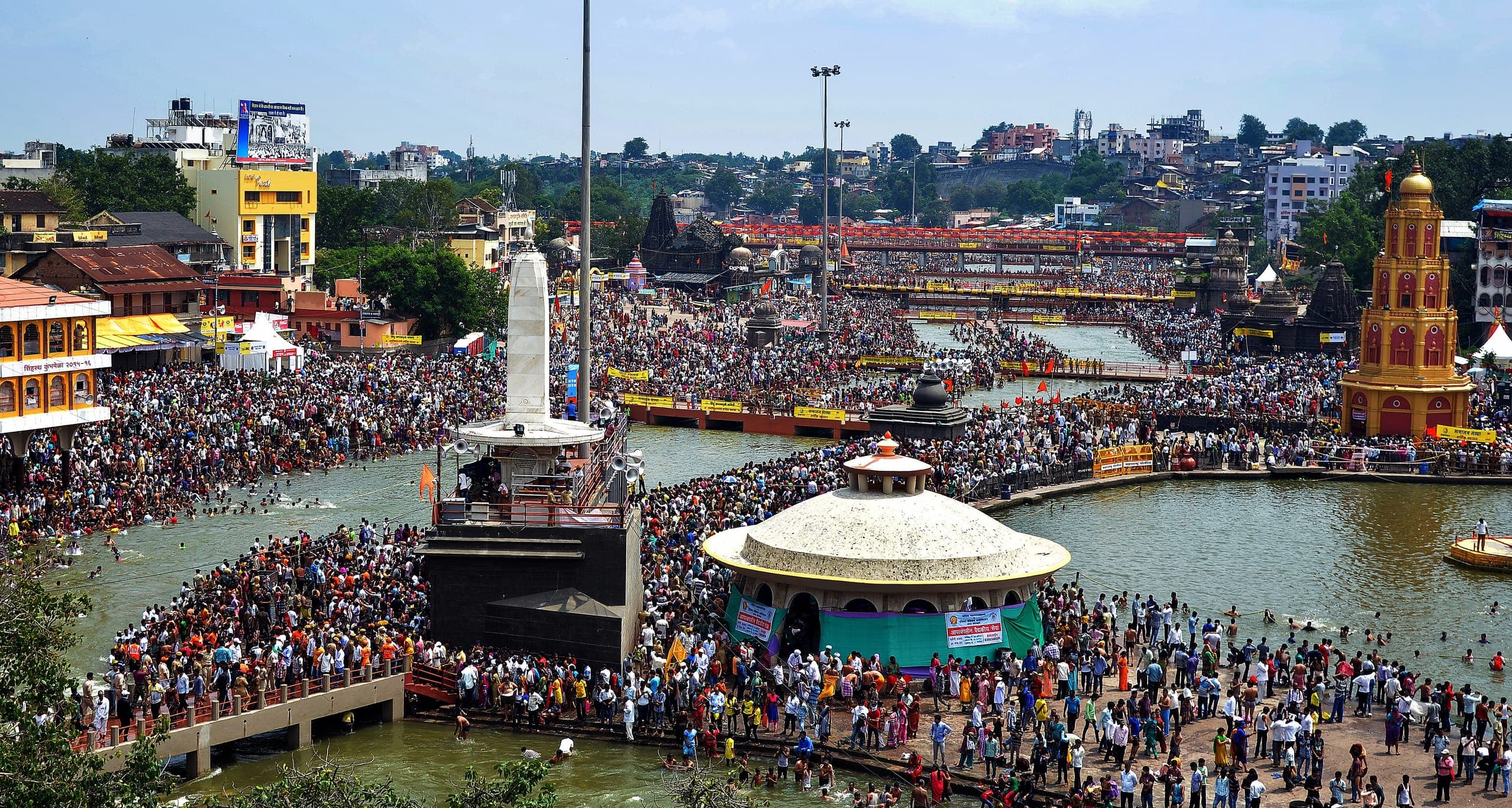
The previous Simhastha Kumbh at Nashik–Trimbakeshwar was held in 2015–16.
Editorial note: specific historical dates on this page will be added only with cited sources.
Awaiting verificationLast updated: 31 October 2026
- 04
Religious and cultural significance
Faith, ritual and a living cultural tradition.
For devotees, bathing in the sacred river during the Kumbh is believed to cleanse sins and bring spiritual merit. Beyond ritual, the Kumbh is a meeting place of spiritual traditions: discourses, kirtans, community kitchens and the camps of the akhadas make it a living expression of India’s religious culture.
Awaiting verificationLast updated: 31 October 2026
- 05
The Godavari River
Dakshin Ganga — the sacred river of the Deccan.
The Godavari rises in the Brahmagiri hills near Trimbakeshwar and flows east across the Deccan to the Bay of Bengal. It is one of India’s longest rivers and is revered as Dakshin Ganga — the Ganga of the South.
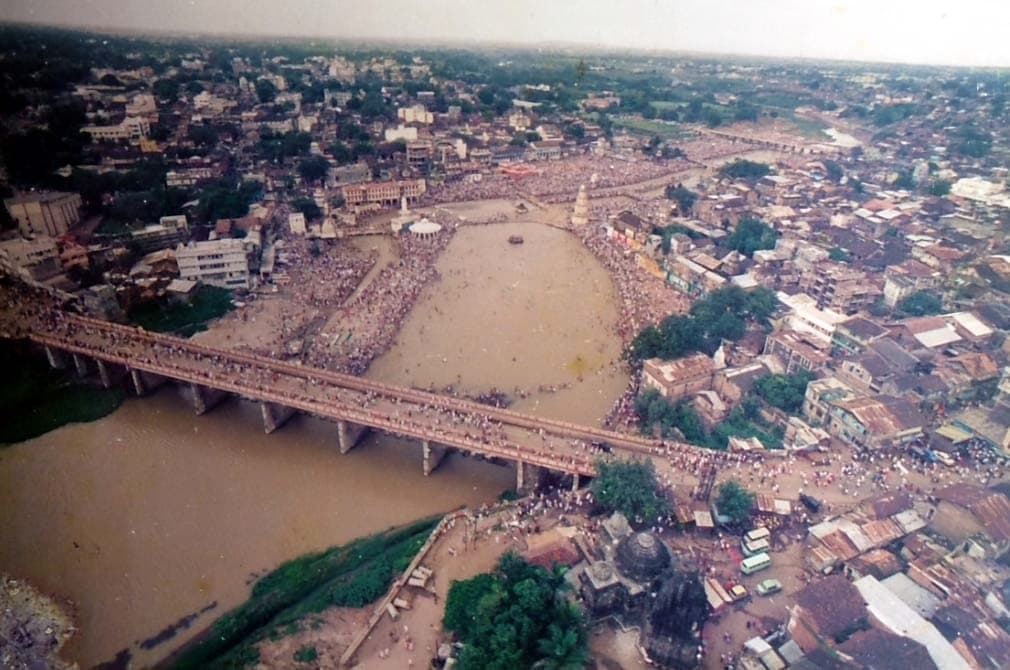
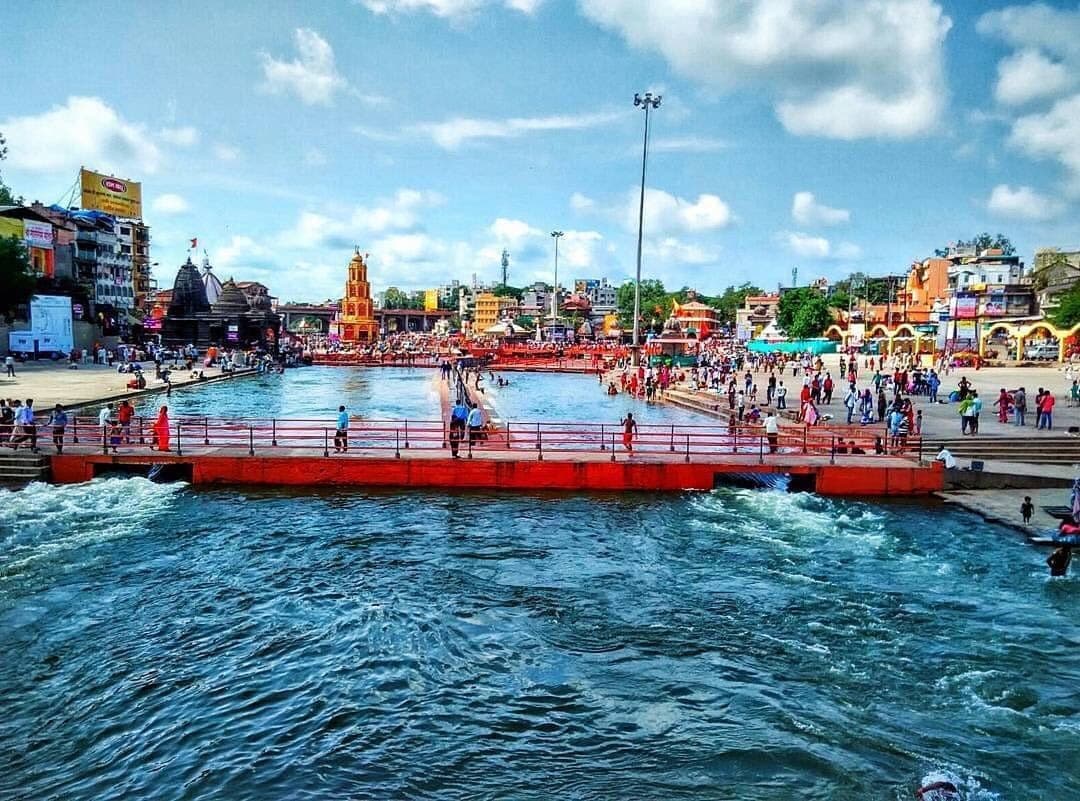
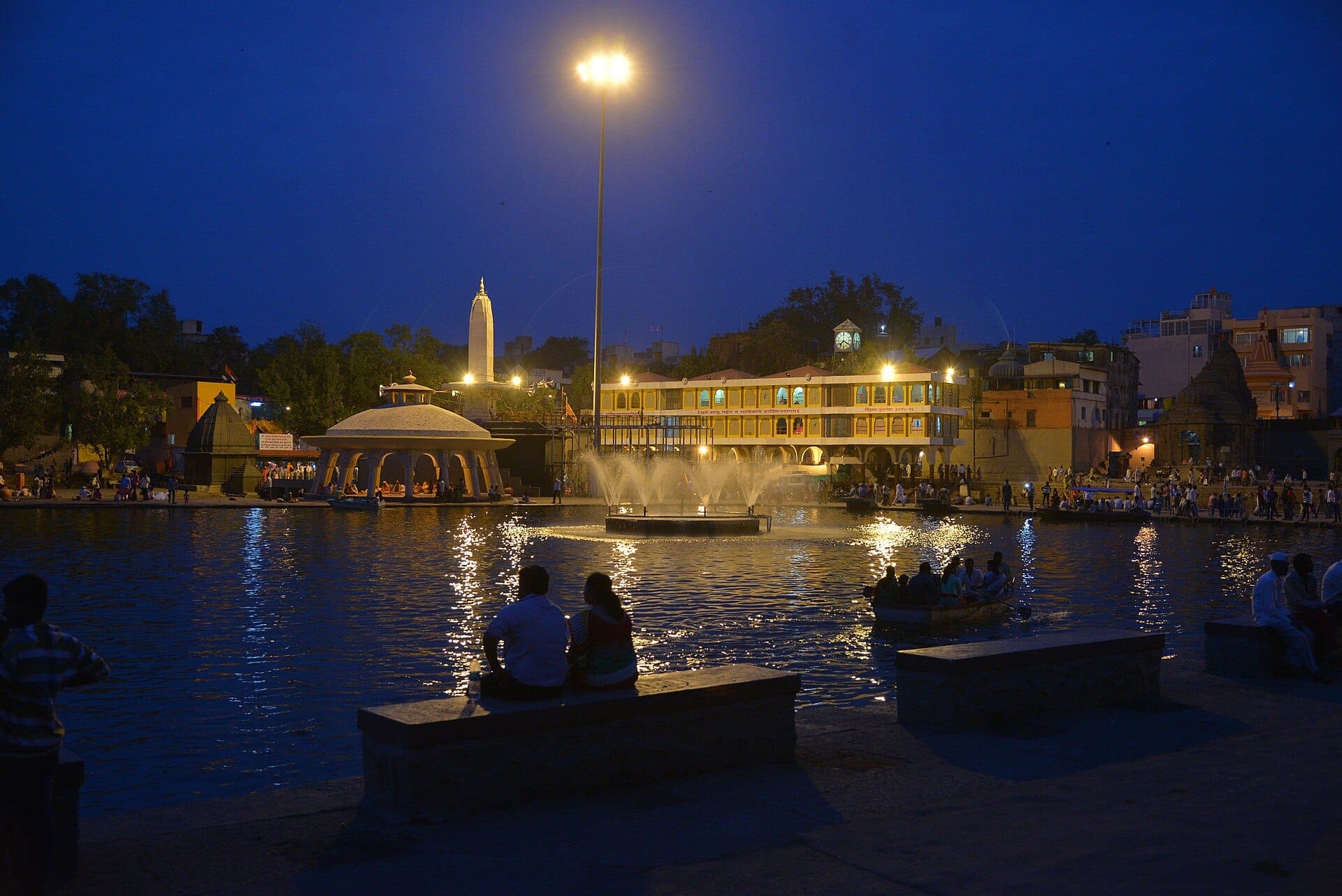
In Nashik, the river flows past Panchavati, Ramkund and Tapovan, and its ghats are the centre of the city’s religious life.
Awaiting verificationLast updated: 31 October 2026
- 06
Nashik and Trimbakeshwar
Two sacred locations of one Simhastha.
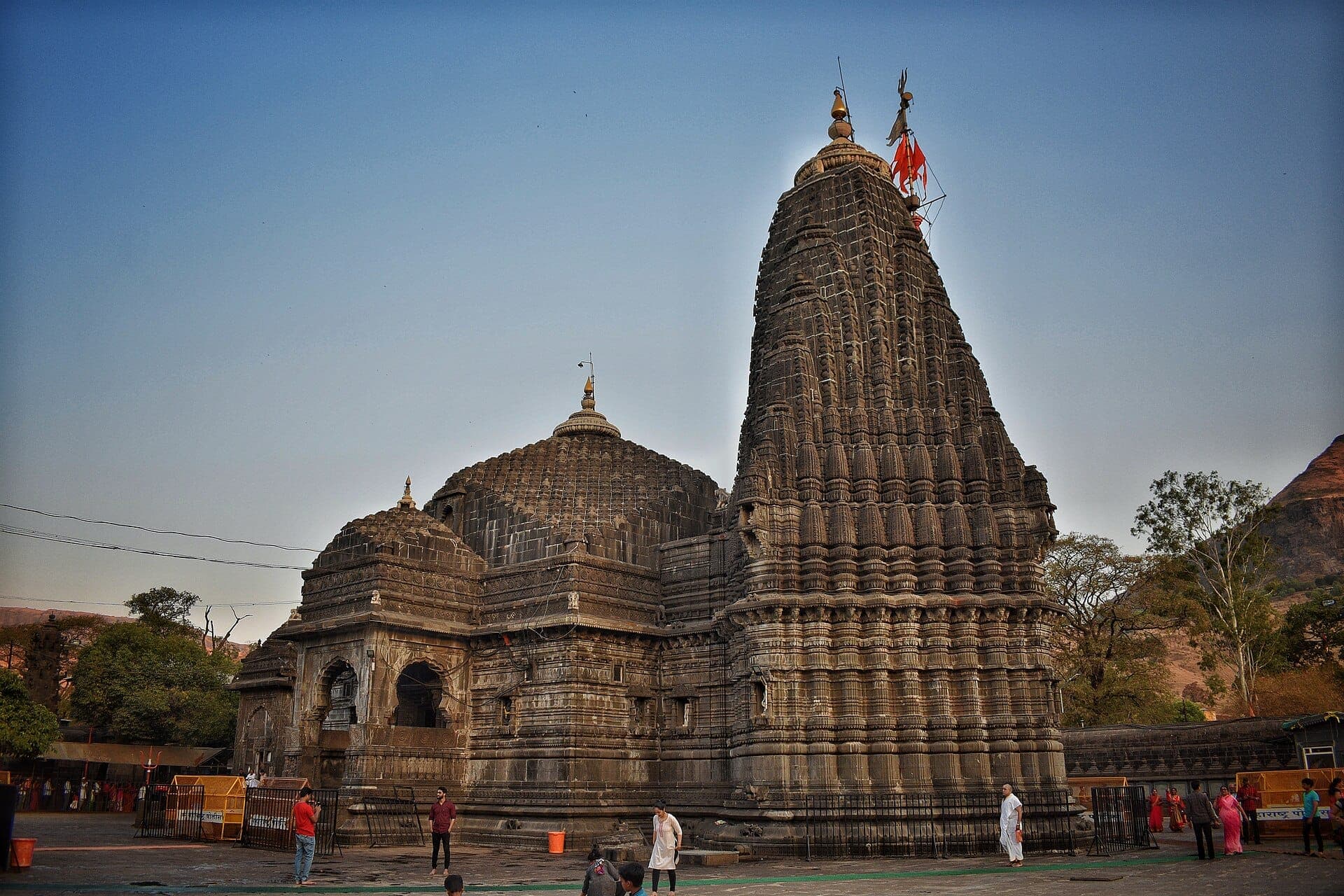
Nashik’s Panchavati is associated with the Ramayana, and Ramkund is the city’s principal bathing ghat. Trimbakeshwar, to the west, is home to one of the twelve Jyotirlingas and to Kushavarta Kund, near the source of the Godavari. The Simhastha is observed at both locations, with main bathing dates at each.
Awaiting verificationLast updated: 31 October 2026
- 07
Akhadas and their traditions
The monastic orders at the heart of the Kumbh.
Akhadas are monastic orders of sadhus. Thirteen akhadas are traditionally recognised by the Akhil Bharatiya Akhara Parishad, belonging broadly to the Shaiva (Sannyasi), Vaishnava (Bairagi) and Udasin traditions. Each has its own deities, flags, leadership and customs, and their camps, processions and bathing order are central to the Kumbh.
Awaiting verificationLast updated: 31 October 2026
- 08
Naga Sadhus and spiritual practices
Ascetics who renounce worldly life.
Naga sadhus are ascetics associated with the Shaiva akhadas who renounce worldly possessions, often including clothing, and smear their bodies with ash. They are among the most visible participants in the Kumbh and traditionally lead their akhadas’ processions to the sacred bath. Visitors should be respectful and follow the instructions of officials and akhada volunteers.
Awaiting verificationLast updated: 31 October 2026
- 09
Peshwai processions
The ceremonial entry of the akhadas.
The Peshwai is the grand ceremonial procession in which an akhada enters the Kumbh area, with its leaders, flags, music and devotees. Procession dates and routes are set with the authorities; they will be listed in the events calendar only when officially published.
Awaiting verificationLast updated: 31 October 2026
- 10
Shahi Snan / Amrit Snan
The main sacred bathing dates of the Kumbh.
On the main bathing dates — traditionally called Shahi Snan and now often referred to as Amrit Snan — the akhadas proceed in a set order to bathe at the sacred site, followed by lakhs of devotees. In Nashik–Trimbakeshwar these baths take place at Ramkund and at Kushavarta Kund. See the Kumbh Dates page for the dates in the interim plan.
Awaiting verificationLast updated: 31 October 2026
- 11
Dhwajarohan
The flag hoisting that opens the Simhastha.
The Dhwajarohan is the ceremonial hoisting of the Simhastha flag, which marks the formal beginning of the Kumbh period. The interim plan lists the Dhwajarohan on 31 October 2026.
Awaiting verificationLast updated: 31 October 2026
- 12
Important pilgrimage locations
Ramkund, Kushavarta, Trimbakeshwar, Panchavati and more.
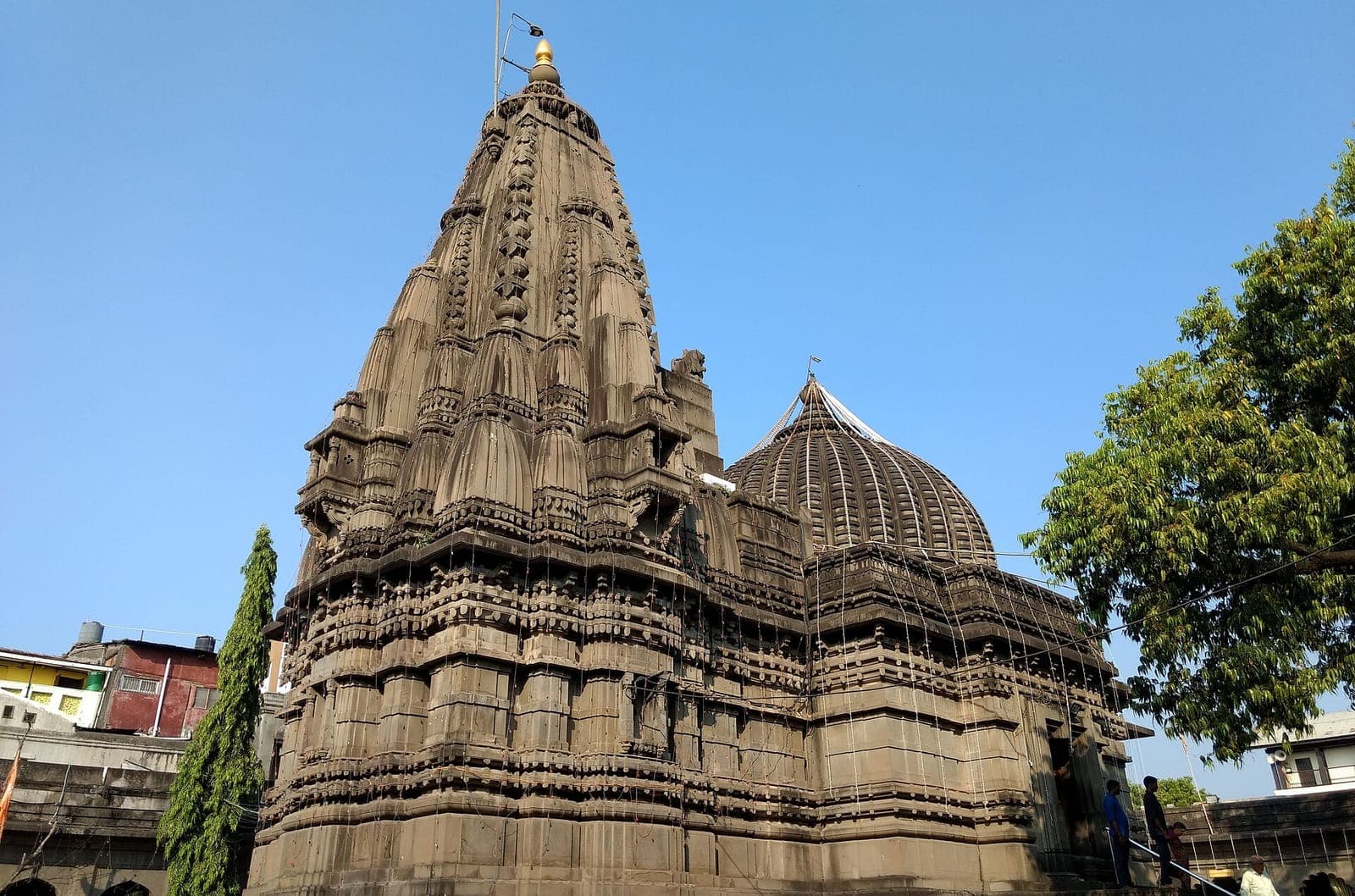
Key places for pilgrims include Ramkund and the ghats of Panchavati, Kalaram Temple, Kapaleshwar Mahadev, Sita Gufa and Tapovan in Nashik, and the Trimbakeshwar Jyotirlinga, Kushavarta Kund, Gangadwar and the Brahmagiri hills at Trimbakeshwar. Explore them in the destination directory.
Awaiting verificationLast updated: 31 October 2026